Q&A: Utilizing robotics and predictive analytics to transform care

Q&A: Utilizing robotics and predictive analytics to transform care

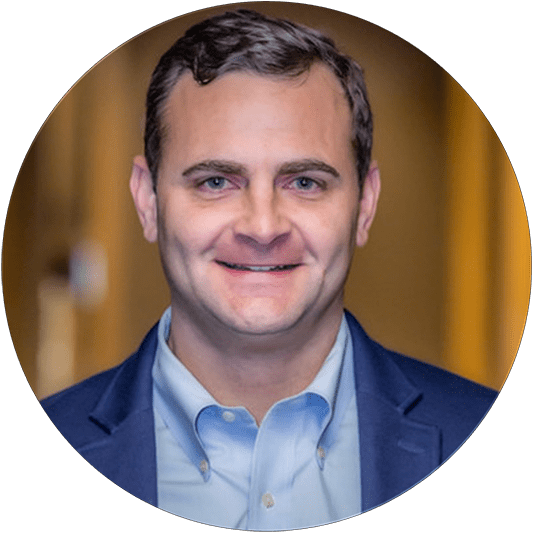
The COVID-19 pandemic accelerated digital transformation within healthcare, becoming a strategic part of improving care.As a preview of his HIMSS23 presentation, Dr. Jong Soo Choi, information technology lead at Samsung Medical Center, discussed SMC’s embedded technology with MobiHealthNews via email.
MobiHealthNews: How has Samsung Medical Center shifted its technology use over time?
Dr. Jong…

Continue Reading
5 Components of a Patient-Centric eCOA Strategy for Oncology Clinical Trials

5 Components of a Patient-Centric eCOA Strategy for Oncology Clinical Trials

Melissa Mooney, Director of eCOA Solutions Engineering at IQVIAIn the US alone, an estimated 1.9 million new cases of cancer were diagnosed in 2022, positioning oncology as a key subject of clinical research. Throughout oncology trial development, it is important that stakeholders acknowledge that only patients can fully understand the impact of treatment on their lives. Regulators are now looking beyond clinical indications such as tumor size and delayed disease progression. When evaluating the risks and benefits of treatment, they want to know whether the side effects are tolerable for patients and how these treatments could be improved from the patient’s…

Continue Reading
3 Conditions that Must be Met to Make Interoperability a Reality

3 Conditions that Must be Met to Make Interoperability a Reality

The term “interoperability” holds different meanings for different people. While we all would agree that the primary goal of interoperability is to make sharing data easier in order to improve outcomes and lower costs, there are varying perceptions about what that looks like. FHIR has been great at giving us a common set of protocols and standards to work from, but how we connect and how data actually gets shared are still open challenges.
In a truly interoperable healthcare ecosystem, I strongly believe data wouldn’t need to be requested, aggregated, and validated each time it’s needed. And it wouldn’t be limited to specific…

Continue Reading
From Telemedicine to Complete Virtual Care and Beyond

From Telemedicine to Complete Virtual Care and Beyond

Michael Gorton, CEO of Recuro HealthTelemedicine has helped improve the quality of life of patients in every corner of the world and has been successfully utilized to provide convenient care to people with limited or no access to health services. Today, worldwide digital interconnectivity is growing, enabling telehealth to advance health equity, bring access to care for underserved regions and meet the urgent, primary and behavioral healthcare needs of an exploding global population.It has been a remarkable journey for the innovators who pioneered telemedicine. Since its inception, digital health services began the transformation from traditional healthcare — a reactive, disease-focused model…

Continue Reading
RTLS Can Enhance the Patient Experience, Staff Safety, and Workflow Operations in 2023

RTLS Can Enhance the Patient Experience, Staff Safety, and Workflow Operations in 2023

Scott Hondros, MHA, SCPM, VP of Professional Services at CenTrakAlthough the healthcare industry has shown significant resilience, the byproduct of the pandemic has amplified staff stressors across all operational and clinical roles. In a study conducted in 2022, more than one-third (34%) of the participating registered nurses (RN) stated that it was likely they would leave bedside nursing by the end of the year. Almost half (44%) cited both burnout and high-stress environments as their main reasons to retire or pursue other careers. As staff shortages increase, so do workloads. Forty-three percent of the nurses that responded to Hospital IQ’s recent survey…

Continue Reading