





Q/A: Oatmeal Health Co-Founder Talks AI-Enabled Cancer Screening for the Underserved

Q/A: Oatmeal Health Co-Founder Talks AI-Enabled Cancer Screening for the Underserved

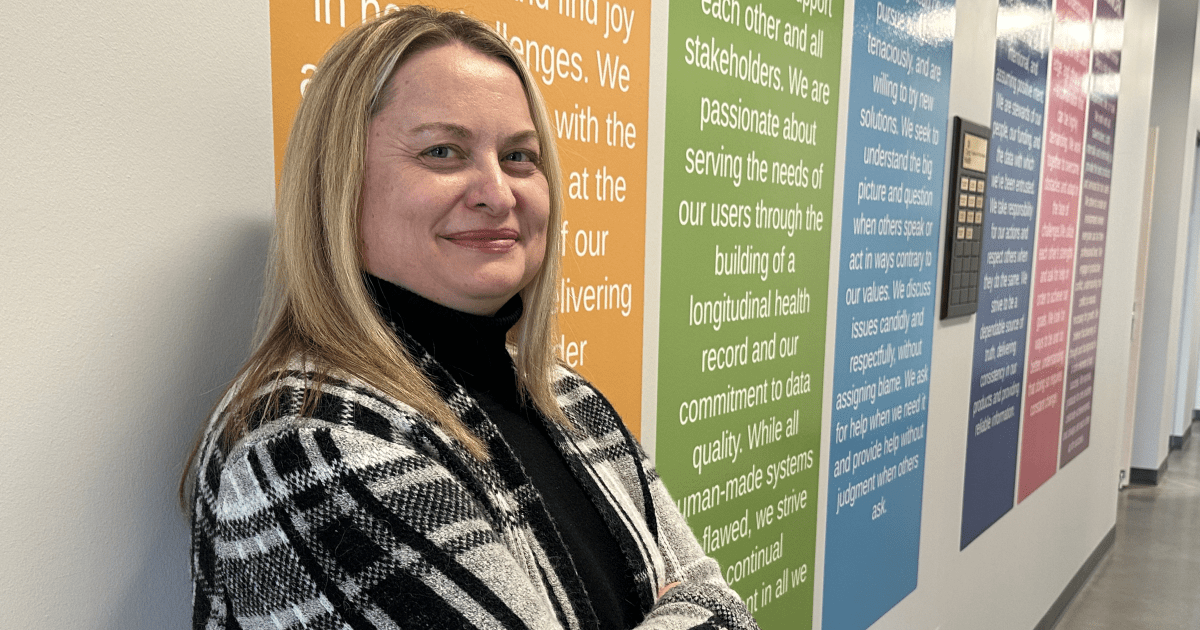
Dr. Ty Vachon, CEO & Co-Founder at Oatmeal HealthToday, cancer is the second leading cause of death in the United States. Sadly, cancer disparities exist, with racial/ethnic minority, low-income, and uninsured populations suffering the greatest burden. That’s why routine cancer screening is critical to addressing cancer disparities as they have the potential to greatly reduce both incidence and mortality rates. To address this, Federally qualified health centers (FQHCs) are funded by the Health Resources and Services Administration to provide preventive and primary healthcare services, including cancer screening, to the nation’s most vulnerable populations We recently sat down with Oatmeal Health’s Co-Founder and…

Continue Reading
EPtalk by Dr. Jayne 2/16/23

EPtalk by Dr. Jayne 2/16/23

As we approach the end of the declared emergency surrounding the COVID pandemic, it will be important to assess how shifts in healthcare policies including those involving payment, access, and prescription medications will impact health outcomes.
A recent article in the American Journal of Obstetrics and Gynecology Maternal-Fetal Medicine looked at hos telehealth care impacted racial disparities in visit attendance during the pandemic. As background, the US has a terrible track record for maternal care, with maternal mortality rates that are significantly higher than other high-income countries. Additionally, in the US black woman are more likely to die during pregnancy and…

Continue Reading
Omaha program uses HIE tech to improve postpartum care for minority parents and children

Omaha program uses HIE tech to improve postpartum care for minority parents and children

CyncHealth, Collective Medical and Innsena are being recognized by the Department of Health and Human Services’ Racial Equity in Postpartum Care Challenge, including federal funding of $40,000, for their postpartum care program in Omaha.Pregnancy-related deaths are three to four times more common among minorities than among Caucasian women, even among those with a college degree. This program improves postpartum care for Black and Indigenous parents and children with high-risk conditions who participate in Medicaid and the Children’s Health Insurance Program, and significantly reduces maternal and neonatal mortality.
Out of the 25 winners recognized by HHS, this program is the only one using health…

Continue Reading