



Skip to content
Wednesday, March 18, 2026
Diverging trajectories of trust in healthcare and on-line information seeking: what’s next with LLMs

Diverging trajectories of trust in healthcare and on-line information seeking: what’s next with LLMs

February 1, 2026February 1, 2026
Weekly Roundup – January 31, 2026

Weekly Roundup – January 31, 2026

January 31, 2026February 1, 2026
Embedding clinical intelligence to help close care gaps

Embedding clinical intelligence to help close care gaps

January 31, 2026January 31, 2026
Impact of Mobilization Facilitated by Wearable Device Enhanced Patient Monitoring/Electrophysiology Pod–Based Feedback on Postoperative Complications Following Colorectal Cancer Surgery: Randomized Controlled Trial

Impact of Mobilization Facilitated by Wearable Device Enhanced Patient Monitoring/Electrophysiology Pod–Based Feedback on Postoperative Complications Following Colorectal Cancer Surgery: Randomized Controlled Trial

January 31, 2026January 31, 2026
Mediformatica

Mediformatica

The Digital Health News Aggregator

  • Blog
  • Latest News
    • AI News
  • Videos
  • Podcasts
  • Daily Digest
  • Taxonomy
  • About
    • MediFormatica
    • Hazem El-Oraby
    • Stay “In The Know…”
    • Legacy Website
    • Sitemap

Tag: Digital medicine

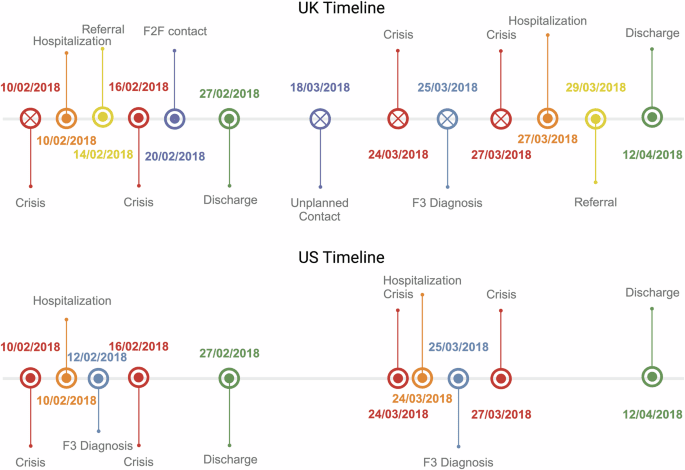
Transatlantic transferability and replicability of machine-learning algorithms to predict mental health crises

Transatlantic transferability and replicability of machine-learning algorithms to predict mental health crises

September 9, 2024September 9, 2024npj Digital Medicine

Transferring and replicating predictive algorithms across healthcare systems constitutes a unique yet crucial challenge that needs to be addressed to enable the widespread adoption of machine learning in healthcare. In this study, we explored…

Continue Reading
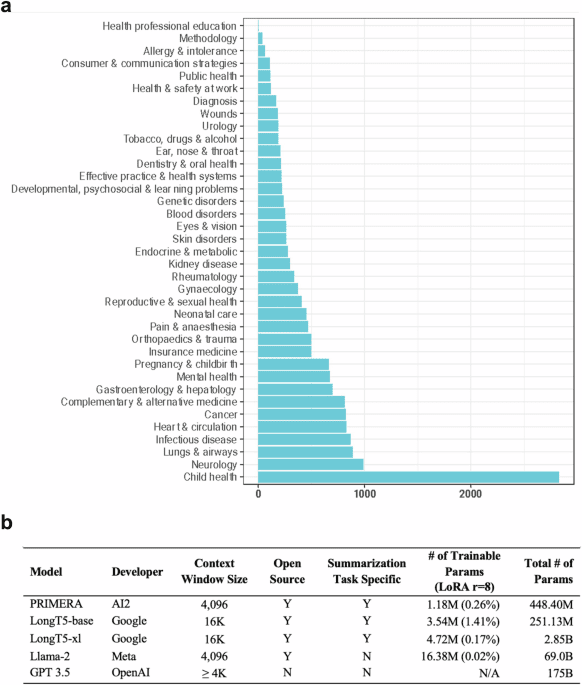
Closing the gap between open source and commercial large language models for medical evidence summarization

Closing the gap between open source and commercial large language models for medical evidence summarization

September 9, 2024September 10, 2024npj Digital Medicine

Large language models (LLMs) hold great promise in summarizing medical evidence. Most recent studies focus on the application of proprietary LLMs. Using proprietary LLMs introduces multiple risk factors, including a lack of transparency and…

Continue Reading
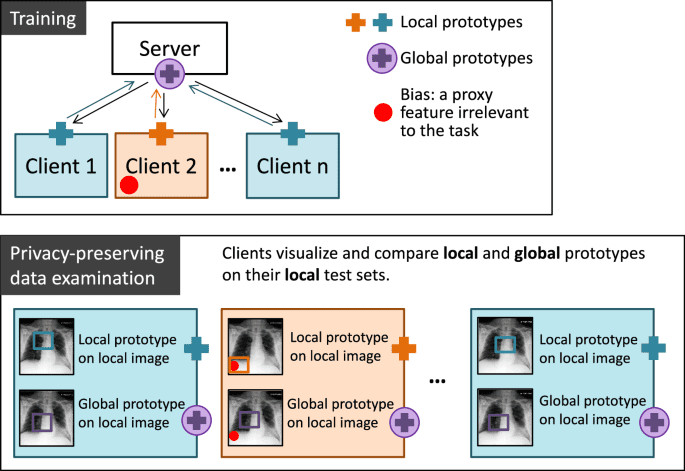
MyThisYourThat for interpretable identification of systematic bias in federated learning for biomedical images

MyThisYourThat for interpretable identification of systematic bias in federated learning for biomedical images

September 7, 2024September 7, 2024npj Digital Medicine

Distributed collaborative learning is a promising approach for building predictive models for privacy-sensitive biomedical images. Here, several data owners (clients) train a joint model without sharing their original data. However, concealed systematic biases can…

Continue Reading
Establishing the longitudinal hemodynamic mapping framework for wearable-driven coronary digital twins

Establishing the longitudinal hemodynamic mapping framework for wearable-driven coronary digital twins

September 6, 2024September 6, 2024npj Digital Medicine

Understanding the evolving nature of coronary hemodynamics is crucial for early disease detection and monitoring progression. We require digital twins that mimic a patient’s circulatory system by integrating continuous physiological data and computing hemodynamic…

Continue Reading
Integrating digital gait data with metabolomics and clinical data to predict outcomes in Parkinson’s disease

Integrating digital gait data with metabolomics and clinical data to predict outcomes in Parkinson’s disease

September 6, 2024September 6, 2024npj Digital Medicine

Parkinson’s disease (PD) presents diverse symptoms and comorbidities, complicating its diagnosis and management. The primary objective of this cross-sectional, monocentric study was to assess digital gait sensor data’s utility for monitoring and diagnosis of…

Continue Reading
Artificial intelligence estimated electrocardiographic age as a recurrence predictor after atrial fibrillation catheter ablation

Artificial intelligence estimated electrocardiographic age as a recurrence predictor after atrial fibrillation catheter ablation

September 5, 2024September 5, 2024npj Digital Medicine

The application of artificial intelligence (AI) algorithms to 12-lead electrocardiogram (ECG) provides promising age prediction models. We explored whether the gap between the pre-procedural AI-ECG age and chronological age can predict atrial fibrillation (AF)…

Continue Reading
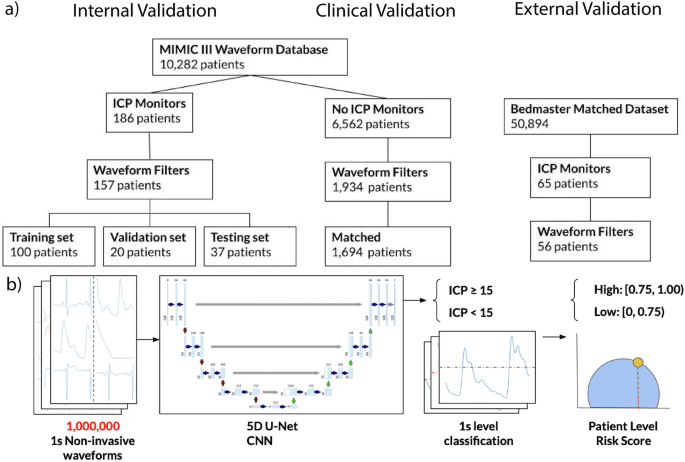
Derivation, external and clinical validation of a deep learning approach for detecting intracranial hypertension

Derivation, external and clinical validation of a deep learning approach for detecting intracranial hypertension

September 5, 2024September 5, 2024npj Digital Medicine

Increased intracranial pressure (ICP) ≥15 mmHg is associated with adverse neurological outcomes, but needs invasive intracranial monitoring. Using the publicly available MIMIC-III Waveform Database (2000–2013) from Boston, we developed an artificial intelligence-derived biomarker for elevated…

Continue Reading
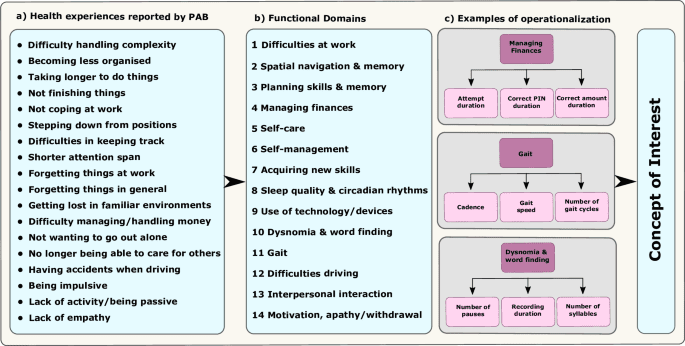
Regulatory considerations for developing remote measurement technologies for Alzheimer’s disease research

Regulatory considerations for developing remote measurement technologies for Alzheimer’s disease research

September 4, 2024September 4, 2024npj Digital Medicine

The Remote Assessment of Disease and Relapse – Alzheimer’s Disease (RADAR-AD) consortium evaluated remote measurement technologies (RMTs) for assessing functional status in AD. The consortium engaged with the European Medicines Agency (EMA) to obtain…

Continue Reading
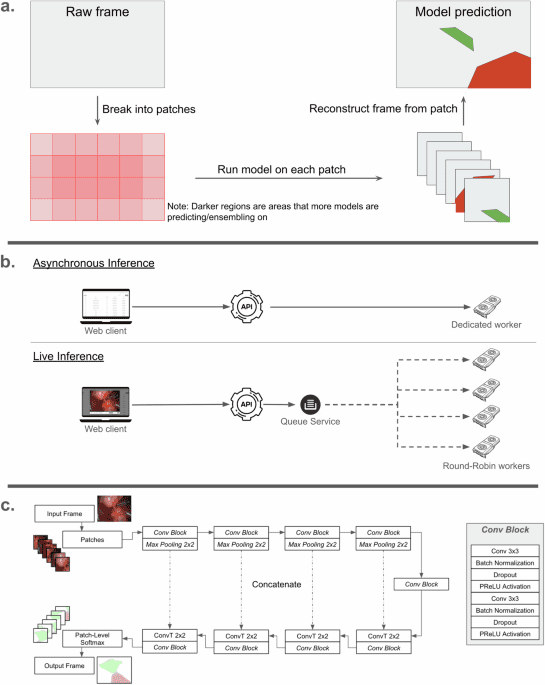
Development, deployment and scaling of operating room-ready artificial intelligence for real-time surgical decision support

Development, deployment and scaling of operating room-ready artificial intelligence for real-time surgical decision support

September 3, 2024September 4, 2024npj Digital Medicine

Deep learning for computer vision can be leveraged for interpreting surgical scenes and providing surgeons with real-time guidance to avoid complications. However, neither generalizability nor scalability of computer-vision-based surgical guidance systems have been demonstrated,…

Continue Reading
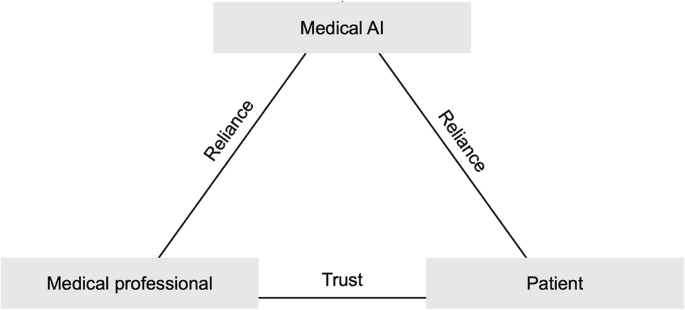
A trust based framework for the envelopment of medical AI

A trust based framework for the envelopment of medical AI

August 27, 2024August 28, 2024npj Digital Medicine

The importance of a trust-based relationship between patients and medical professionals has been recognized as one of the most important predictors of treatment success and patients’ satisfaction. We have developed a novel legal, social…

Continue Reading

Posts navigation

Older posts
Newer posts

FOLLOW US ON SOCIAL MEDIA

Quotes

The physical space of the hospital will be gradually digitized until virtually every object and sensor becomes part of the so-called 'Internet of Things.' These innovations can broadly be categorized as either clinical or experiential, though some will be both. Clinical innovations will involve gathering ever more "signals" from the patient (infrared, sound, electrophysiology, pulse-oximeter, facial expression, etc.) to be sifted in real time through machine-learning algorithms that will help physicians refine their understanding of diagnosis and prognosis in ways we can only imagine today. Experiential innovations will allow health systems and their partners to take a page from Netflix, using the engagement opportunity of the acute care episode to stream digital content to patients and families through TVs, tablets and their own devices from home.

Daniel Durand

Recent Posts

  • Diverging trajectories of trust in healthcare and on-line information seeking: what’s next with LLMs

    Diverging trajectories of trust in healthcare and on-line information seeking: what’s next with LLMs

    February 1, 2026February 1, 2026Comments Off on Diverging trajectories of trust in healthcare and on-line information seeking: what’s next with LLMs
  • What impact has healow had on your organization and the patients’ experience?

    What impact has healow had on your organization and the patients’ experience?

    January 31, 2026February 1, 2026Comments Off on What impact has healow had on your organization and the patients’ experience?
  • Weekly Roundup – January 31, 2026

    Weekly Roundup – January 31, 2026

    January 31, 2026February 1, 2026Comments Off on Weekly Roundup – January 31, 2026
  • Embedding clinical intelligence to help close care gaps

    Embedding clinical intelligence to help close care gaps

    January 31, 2026January 31, 2026Comments Off on Embedding clinical intelligence to help close care gaps
  • Impact of Mobilization Facilitated by Wearable Device Enhanced Patient Monitoring/Electrophysiology Pod–Based Feedback on Postoperative Complications Following Colorectal Cancer Surgery: Randomized Controlled Trial

    Impact of Mobilization Facilitated by Wearable Device Enhanced Patient Monitoring/Electrophysiology Pod–Based Feedback on Postoperative Complications Following Colorectal Cancer Surgery: Randomized Controlled Trial

    January 31, 2026January 31, 2026Comments Off on Impact of Mobilization Facilitated by Wearable Device Enhanced Patient Monitoring/Electrophysiology Pod–Based Feedback on Postoperative Complications Following Colorectal Cancer Surgery: Randomized Controlled Trial
  • Meditech founder Neil Pappalardo dies at 83

    Meditech founder Neil Pappalardo dies at 83

    January 31, 2026January 31, 2026Comments Off on Meditech founder Neil Pappalardo dies at 83
  • The Landscape of Mobile Apps for Healthy Eating: Case Study for a Systematic Review and Quality Assessment

    The Landscape of Mobile Apps for Healthy Eating: Case Study for a Systematic Review and Quality Assessment

    January 31, 2026January 31, 2026Comments Off on The Landscape of Mobile Apps for Healthy Eating: Case Study for a Systematic Review and Quality Assessment
  • Decagon raises $250M for AI agents, triples valuation to $4.5B

    Decagon raises $250M for AI agents, triples valuation to $4.5B

    January 30, 2026January 31, 2026Comments Off on Decagon raises $250M for AI agents, triples valuation to $4.5B
  • Successful AI adoption requires meaningful change management

    Successful AI adoption requires meaningful change management

    January 30, 2026January 31, 2026Comments Off on Successful AI adoption requires meaningful change management
  • The Safe AI in Medicaid Alliance can help providers hone their tactics

    The Safe AI in Medicaid Alliance can help providers hone their tactics

    January 30, 2026January 31, 2026Comments Off on The Safe AI in Medicaid Alliance can help providers hone their tactics

Tags

ABOUT (2581) Access (2206) AI (7305) AI Group (4699) Artificial Intelligence (3316) Clinical (4947) Daily (1870) data (6435) digital (7712) digital health (7218) EHR (1697) funding (1904) Health (15861) Healthcare (13930) Healthcare IT (5458) Healthcare IT Today (2596) health IT (4440) health tech (1870) HIT (5417) HIT Consultant (4728) Hospital (3160) Hospitals (2373) innovation (1981) intelligence (2781) IT (12961) Management (2760) Medical (4544) Medicine (2562) model (1611) network (1735) News (8615) NHS (1883) OR (2161) partnership (1759) Patients (5679) platform (2998) Provider (2298) providers (2476) research (2814) risk (1686) software (1819) study (1692) Technology (5713) THIS (7650) WHO (2189)

MediFormatica

Mediformatica collects and shares the latest news and articles related to Digital Health. MediFormatica also has its own original posts. It's like a one-stop-shop to stay up to date with everything related to Digital Health.

News Aggregator

  • Latest News
  • Daily Reads
  • Frequent Updates
  • Podcasts
  • Videos
  • Daily Digest

Follow us on Social Media

MediFormatica | Theme: News Vibrant by CodeVibrant.
Home
Latest News
In The Know
Search
More
We noticed you've been enjoying MediFormatica's content. Would you like to get notifications on the latest Health Tech news? OK No thanks

Cookie Policy - Terms and Conditions - Privacy Policy