




Healthcare-associated infections (HAIs) from multi-drug resistant organisms (MDROs) pose a significant challenge for healthcare systems. Patients can arrive at hospitals already infected (“importation”) or acquire infections during their stay (“nosocomial infection”). Many cases, often…
Continue ReadingCategory: npj Digital Medicine
A systematic review of digital and imaging technologies for measuring fatigue in immune mediated inflammatory diseases
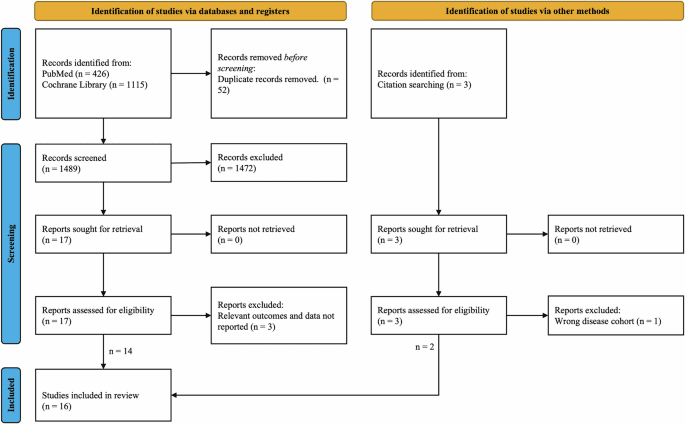
Chronic fatigue greatly impacts the quality of life in individuals with immune-mediated inflammatory disease (IMID). Currently, fatigue assessment relies on patient-reported outcome (PRO) questionnaires. A systematic review following PRISMA guidelines was conducted to explore…
Continue ReadingSystematic review and meta-analysis of artificial intelligence in classifying HER2 status in breast cancer immunohistochemistry
The DESTINY-Breast04 trial has recently demonstrated survival benefits of trastuzumab-deruxtecan (T-DXd) in metastatic breast cancer patients with low Human Epidermal Growth Factor Receptor 2 (HER2) expression. Accurate differentiation of HER2 scores has now become…
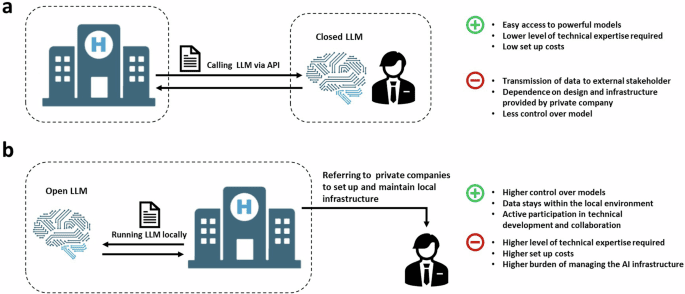
Continue ReadingIntegrating Large Language Models (LLMs) into healthcare promises substantial advancements but requires careful consideration of technical, ethical, and regulatory challenges. Closed LLMs of private companies offer ease of deployment but pose risks related to…
Continue ReadingRegulatory considerations for successful implementation of digital endpoints in clinical trials for drug development
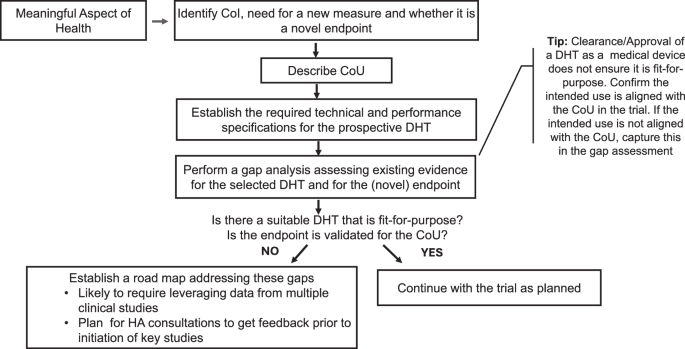
Regulatory acceptance of Digital Health Technology (DHT) -derived endpoints can be a long, multifaceted and costly process. Success relies on establishing a global strategy as part of the development program including health authority consultations…
Continue ReadingAddressing contemporary threats in anonymised healthcare data using privacy engineering
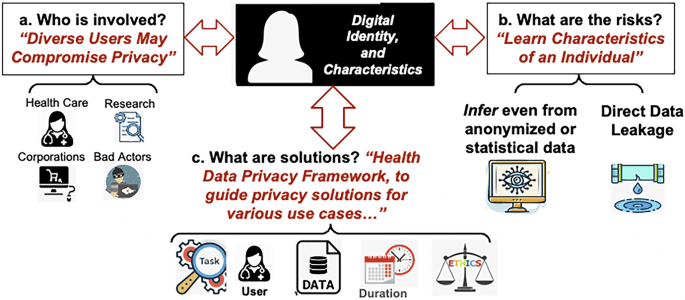
Cyber-attacks on healthcare entities and leaks of personal identifiable information (PII) are a growing threat. However, it is now possible to learn sensitive characteristics of an individual without PII, by combining advances in artificial…
Continue ReadingMedical foundation large language models for comprehensive text analysis and beyond
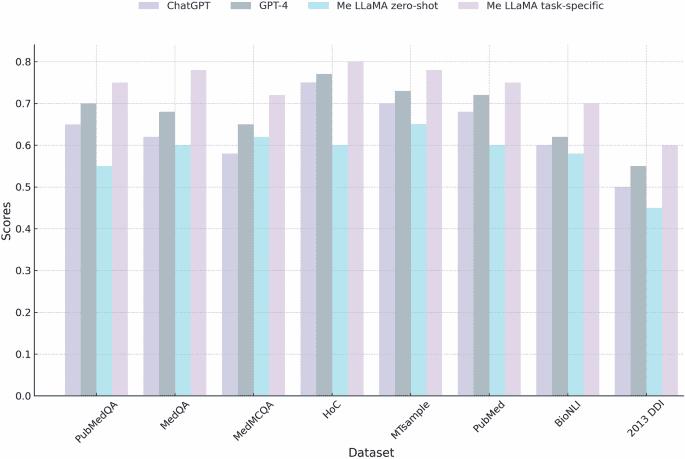
Recent advancements in large language models (LLMs) show significant potential in medical applications but are hindered by limited specialized medical knowledge. We present Me-LLaMA, a family of open-source medical LLMs integrating extensive domain-specific knowledge…
Continue ReadingInterpretable multimodal transformer for prediction of molecular subtypes and grades in adult-type diffuse gliomas
Molecular subtyping and grading of adult-type diffuse gliomas are essential for treatment decisions and patient prognosis. We introduce GlioMT, an interpretable multimodal transformer that integrates imaging and clinical data to predict the molecular subtype…
Continue ReadingMachine learning on interictal intracranial EEG predicts surgical outcome in drug resistant epilepsy
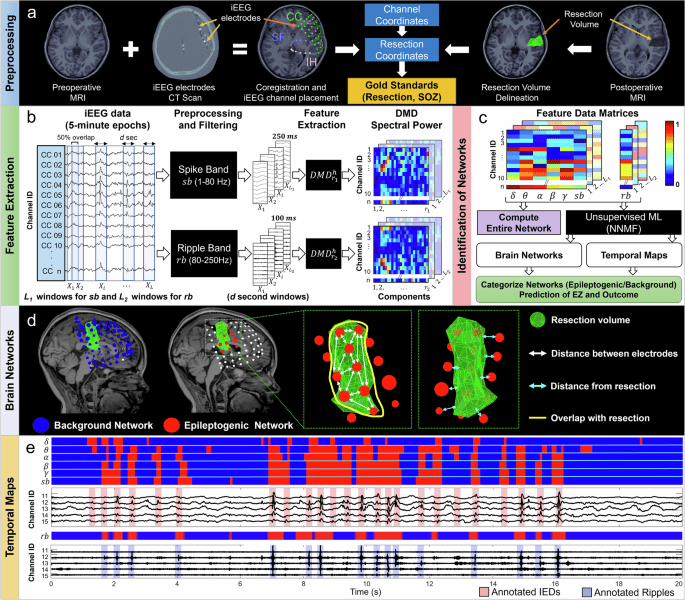
Surgical success for patients with focal drug resistant epilepsy (DRE) relies on accurate localization of the epileptogenic zone (EZ). Currently, no exam delineates this zone unambiguously. Instead, the EZ is approximated by the area…
Continue ReadingEvaluating base and retrieval augmented LLMs with document or online support for evidence based neurology
Effectively managing evidence-based information is increasingly challenging. This study tested large language models (LLMs), including document- and online-enabled retrieval-augmented generation (RAG) systems, using 13 recent neurology guidelines across 130 questions. Results showed substantial variability….
Continue Reading