




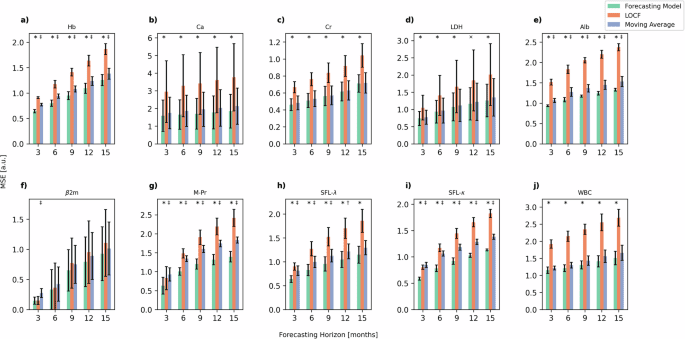
This study introduces a system for predicting disease progression events in multiple myeloma patients from the CoMMpass study (N = 1186). Utilizing a hybrid neural network architecture, our model predicts future blood work from historical lab…
Continue ReadingCategory: npj Digital Medicine
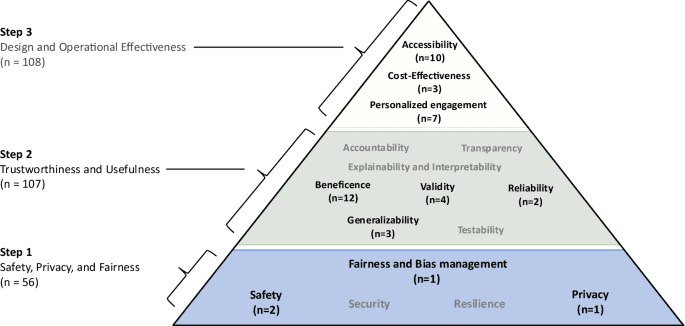
A scoping review of large language models for generative tasks in mental health care
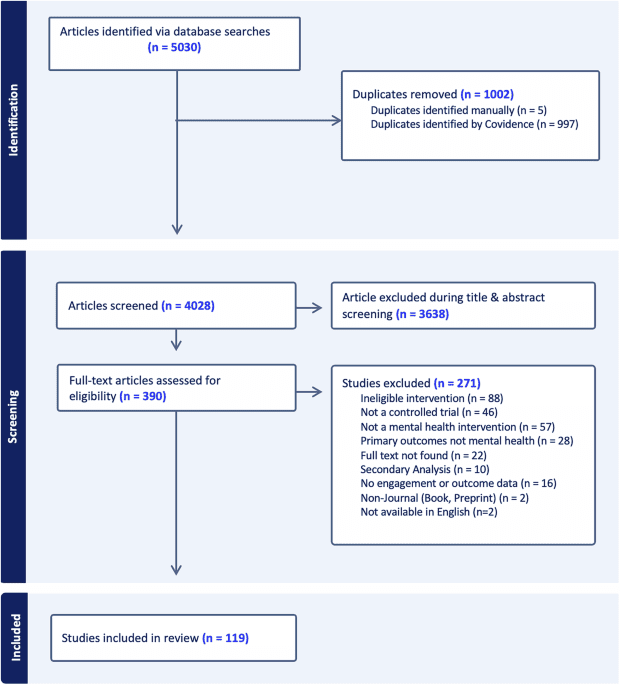
Large language models (LLMs) show promise in mental health care for handling human-like conversations, but their effectiveness remains uncertain. This scoping review synthesizes existing research on LLM applications in mental health care, reviews model…
Continue ReadingA meta-analysis of persuasive design, engagement, and efficacy in 92 RCTs of mental health apps
This systematic review and meta-analysis examined the efficacy of digital mental health apps and the impact of persuasive design principles on intervention engagement and outcomes. Ninety-two RCTs and 16,728 participants were included in the…
Continue ReadingArtificial intelligence based multispecialty mortality prediction models for septic shock in a multicenter retrospective study
Septic shock is one of the most lethal conditions in ICU, and early risk prediction may help reduce mortality. We developed a TOPSIS-based Classification Fusion (TCF) model to predict mortality risk in septic shock…
Continue ReadingHigh-precision information retrieval for rapid clinical guideline updates
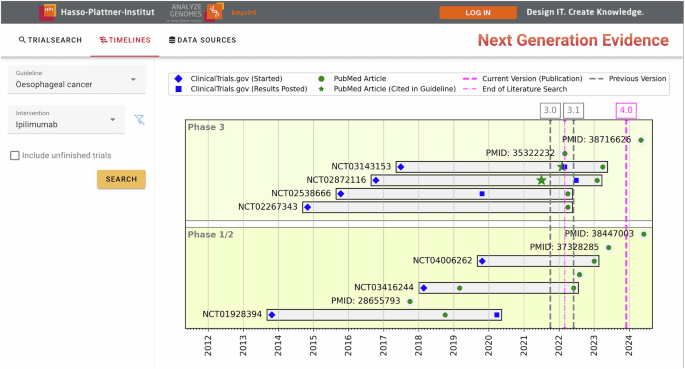
Delays in translating new medical evidence into clinical practice hinder patient access to the best available treatments. Our data reveals an average delay of nine years from the initiation of human research to its…
Continue ReadingDual stream transformer for medication state classification in Parkinson’s disease patients using facial videos
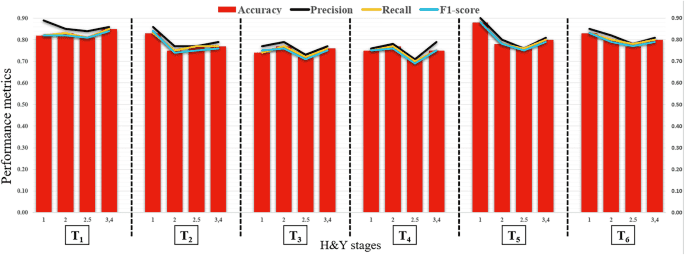
Hypomimia is a prominent, levodopa-responsive symptom in Parkinson’s disease (PD). In our study, we aimed to distinguish ON and OFF dopaminergic medication state in a cohort of PD patients, analyzing their facial videos with…
Continue ReadingMachine learning-based forecasting of daily acute ischemic stroke admissions using weather data
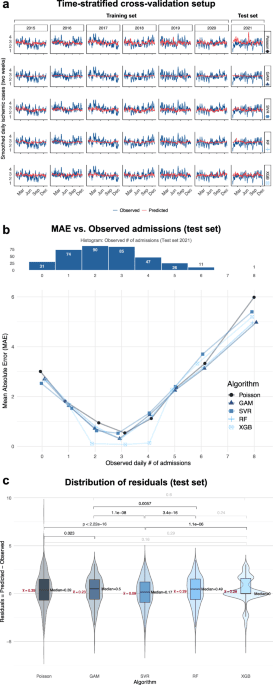
The climate crisis underscores the need for weather-based predictive analytics in healthcare, as weather factors contribute to ~11% of the global stroke burden. Therefore, we developed machine learning models using locoregional weather data to…
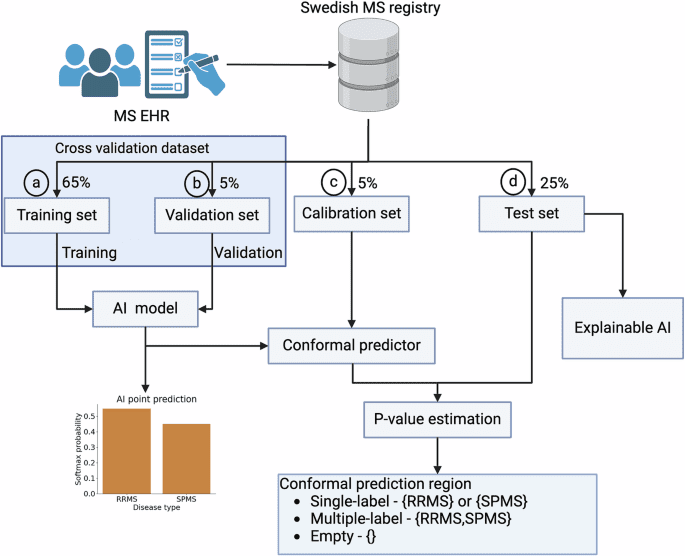
Continue ReadingConformal prediction enables disease course prediction and allows individualized diagnostic uncertainty in multiple sclerosis
Accurate assessment of progression and disease course in multiple sclerosis (MS) is vital for timely and appropriate clinical intervention. The gradual transition from relapsing-remitting MS (RRMS) to secondary progressive MS (SPMS) is often diagnosed…
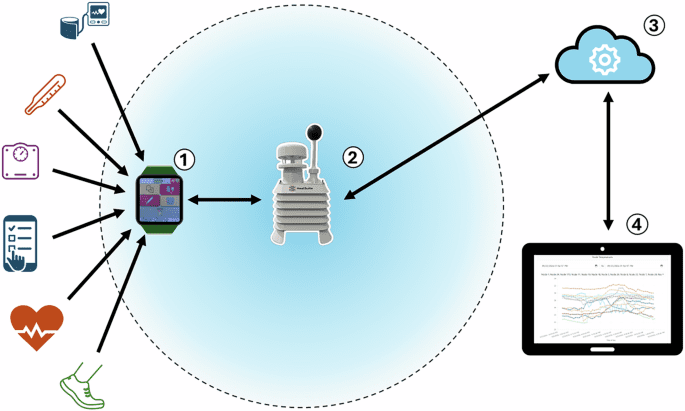
Continue ReadingEvaluating compliance with HeatSuite for monitoring in situ physiological and perceptual responses and personal environmental exposure
Extreme heat events pose a significant health threat to vulnerable populations such as the elderly and those living with disease. Recent extreme heat events highlight that heat-related mortality often occurs indoors, urging a need…
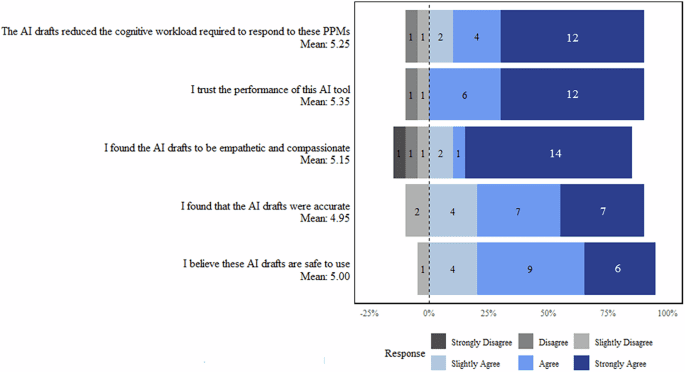
Continue ReadingOpportunities and risks of artificial intelligence in patient portal messaging in primary care
The rapid increase in patient portal messaging has heightened the workload for primary care physicians (PCPs), contributing to burnout. The use of generative artificial intelligence (AI) to draft responses to patient messages has shown…
Continue Reading