




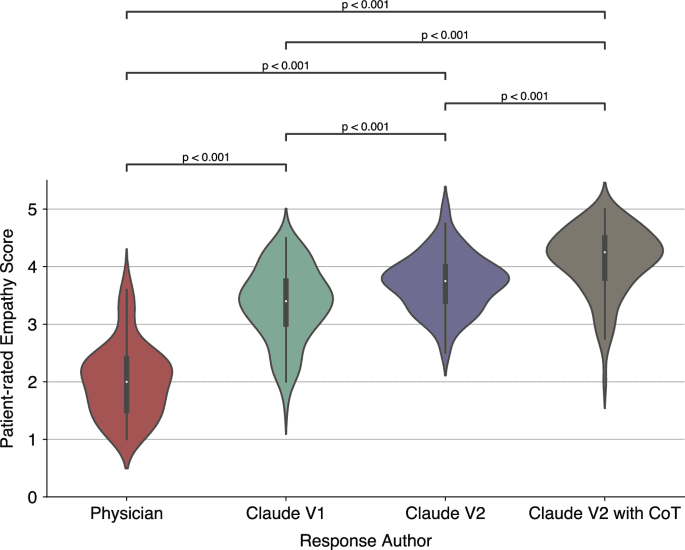
Artificial intelligence chatbots can draft empathetic responses to cancer questions, but how patients perceive chatbot empathy remains unclear. Here, we found that people with cancer rated chatbot responses as more empathetic than physician responses….
Continue ReadingCategory: npj Digital Medicine
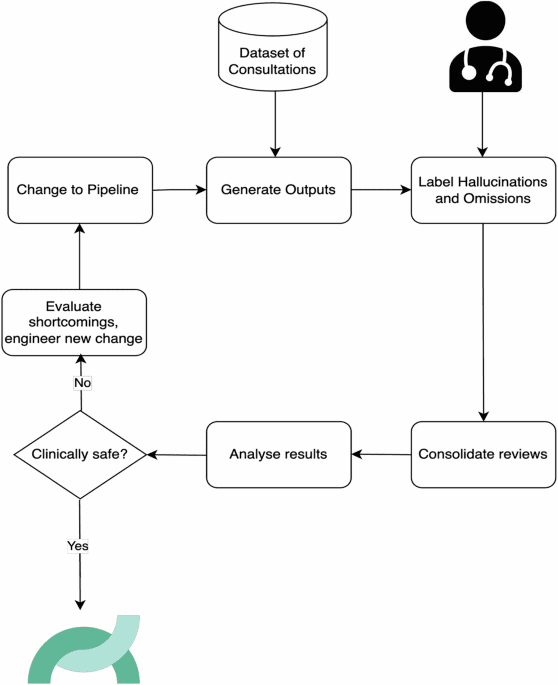
Integrating large language models (LLMs) into healthcare can enhance workflow efficiency and patient care by automating tasks such as summarising consultations. However, the fidelity between LLM outputs and ground truth information is vital to…
Continue ReadingWearable fNIRS platform for dense sampling and precision functional neuroimaging
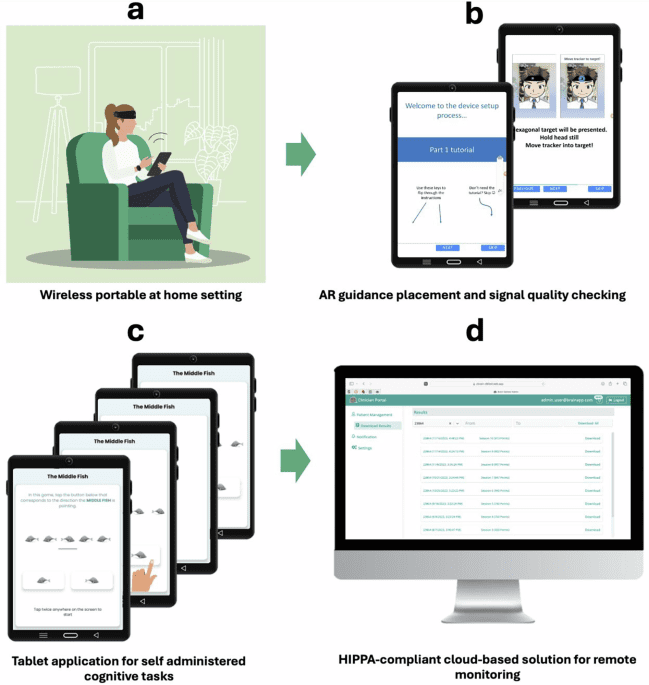
Precision mental health aims to improve care by tailoring interventions based on individual neurobiological features. Functional near-infrared spectroscopy (fNIRS) is a cost-effective and portable alternative to traditional neuroimaging, making it a promising tool for…
Continue ReadingThe proliferation of health devices and apps has led to an abundance of patient-generated health data (PGHD), which has raised concerns about integration within clinical settings. We describe one health system’s sequential focus group…
Continue ReadingMobile health intervention CanRelax reduces distress in people with cancer in a randomized controlled trial
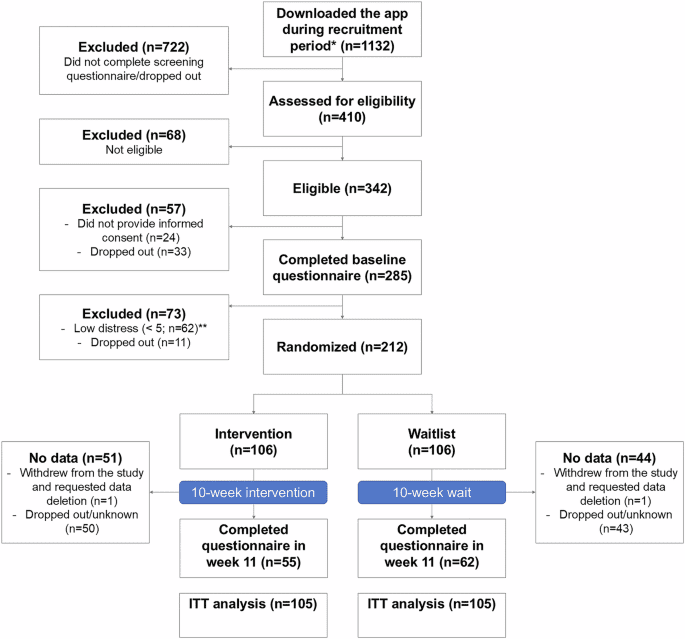
Mindfulness and relaxation exercises are effective face-to-face interventions for reducing distress in people with cancer. Their effectiveness in mobile health settings has yet to be investigated. This study evaluated the effectiveness of the CanRelax…
Continue ReadingDigital measures of activity and motivation impact depression and anxiety in the real world
Mood and anxiety disorders are highly comorbid, with symptom severity varying over time. Individuals with and without these disorders completed 30-days of ecological momentary assessment (EMAs) of depression, anxiety and distress, developed based on…
Continue ReadingA scoping review of remote and unsupervised digital cognitive assessments in preclinical Alzheimer’s disease
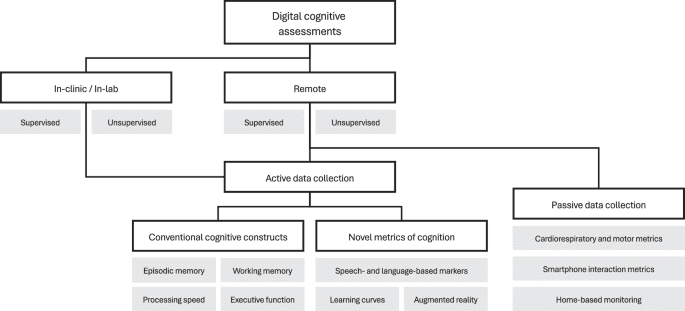
Characterizing subtle cognitive changes in preclinical Alzheimer’s disease (AD) is difficult using traditional neuropsychological assessments. Remote and unsupervised digital assessments can improve scalability, measurement reliability, and ecological validity, enabling the capture of subtle changes….
Continue ReadingSynthetic data distillation enables the extraction of clinical information at scale
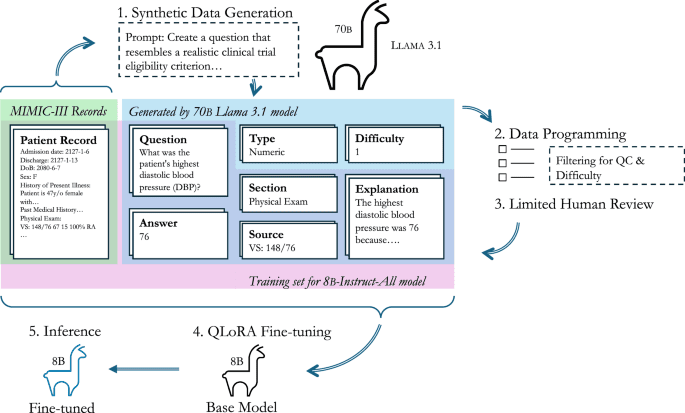
Large-language models (LLMs) show promise for clinical note information extraction, but deployment challenges include high computational costs and privacy concerns. We used synthetic data distillation to fine-tune smaller, open-source LLMs to achieve performance comparable…
Continue ReadingScoping review of deep learning research illuminates artificial intelligence chasm in otolaryngology-head and neck surgery
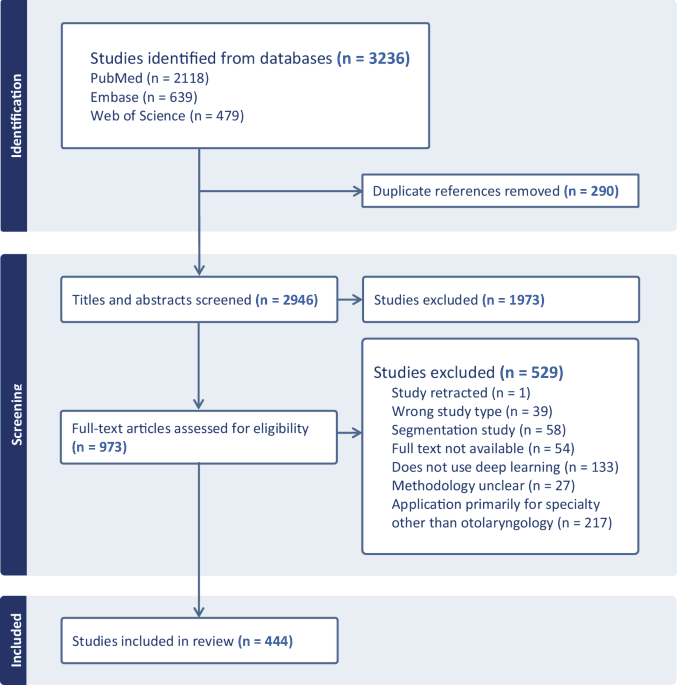
Clinical validation studies are important to translate artificial intelligence (AI) technology in healthcare but may be underperformed in Otolaryngology – Head & Neck Surgery (OHNS). This scoping review examined deep learning publications in OHNS…
Continue ReadingUsability testing a web application to support evidence-based commissioning decisions for implementing mobile stroke units
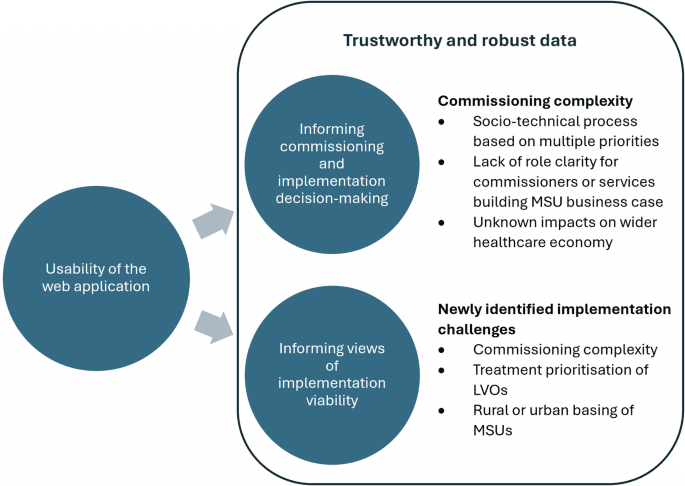
Commissioning of innovations in healthcare is a complex socio-technical process, ideally informed by high quality evidence. However, evidence is not always prepared and presented in a format usable for commissioning decisions. Agile methodology, combined…
Continue Reading