





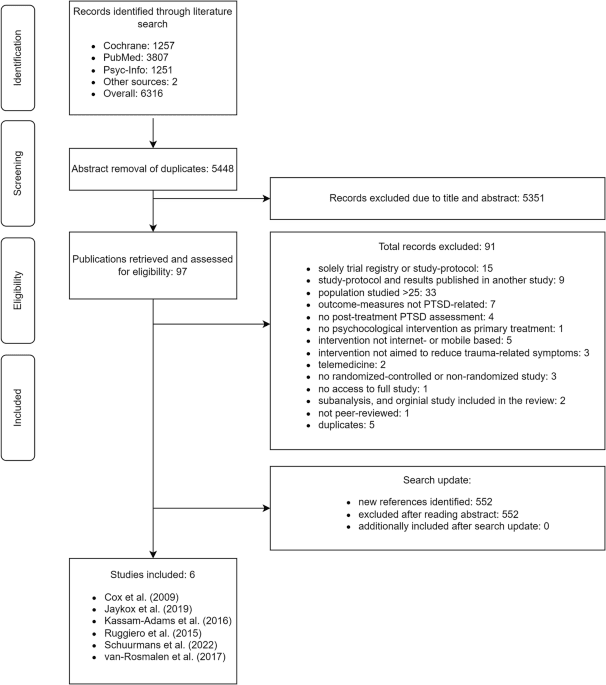
Psychological interventions can help reduce posttraumatic stress symptoms (PTSS) in youth, but many do not seek help. Internet- and mobile-based interventions (IMIs) show promise in expanding treatment options. However, the overall evidence on IMIs…
Continue Reading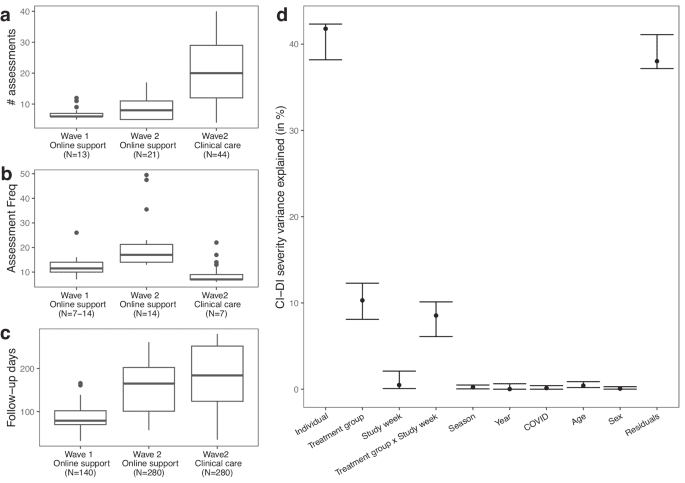
Over the last ten years, there has been considerable progress in using digital behavioral phenotypes, captured passively and continuously from smartphones and wearable devices, to infer depressive mood. However, most digital phenotype studies suffer…
Continue Reading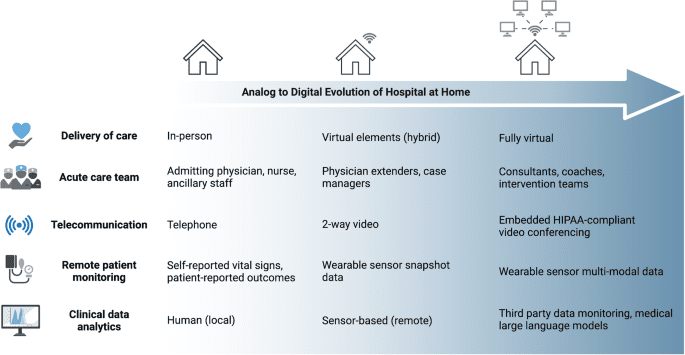
The annual cost of hospital care services in the US has risen to over $1 trillion despite relatively worse health outcomes compared to similar nations. These trends accentuate a growing need for innovative care…
Continue Reading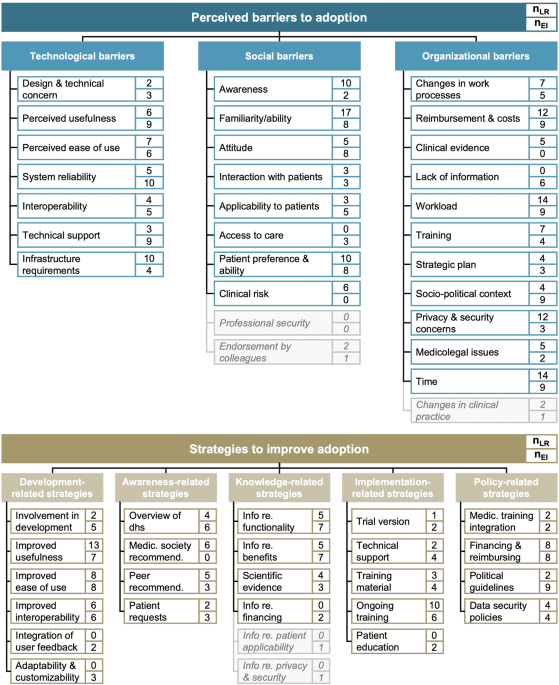
Extensive research has shown the potential value of digital health solutions and highlighted the importance of clinicians’ adoption. As general practitioners (GPs) are patients’ first point of contact, understanding influencing factors to their digital…
Continue Reading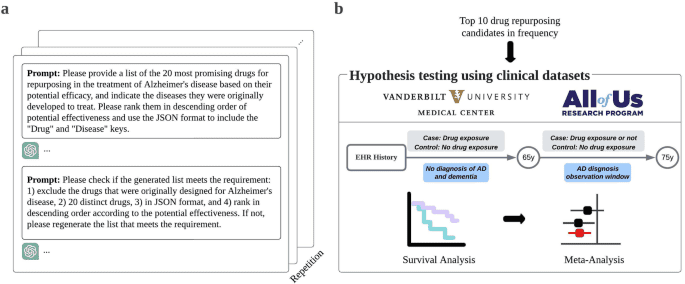
Drug repurposing represents an attractive alternative to the costly and time-consuming process of new drug development, particularly for serious, widespread conditions with limited effective treatments, such as Alzheimer’s disease (AD). Emerging generative artificial intelligence…
Continue Reading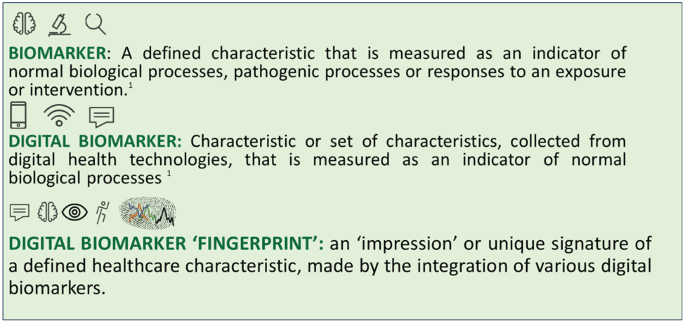
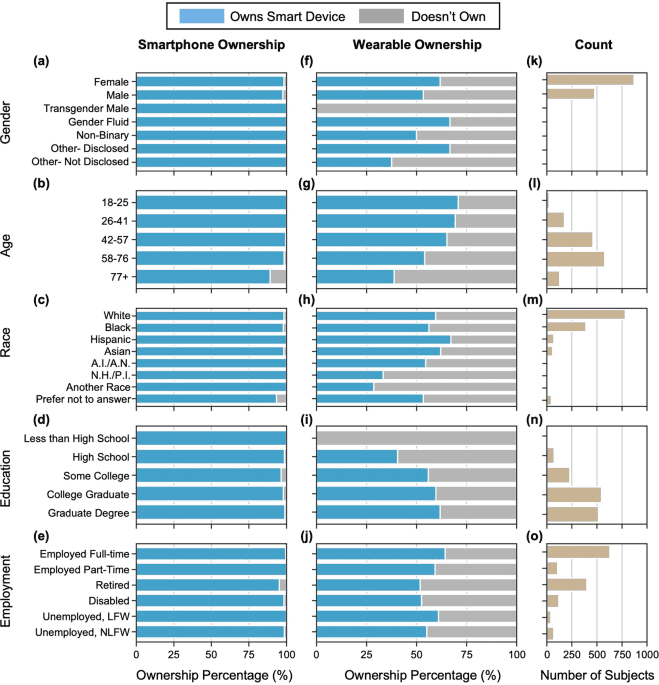
Smart portable devices- smartphones and smartwatches- are rapidly being adopted by the general population, which has brought forward an opportunity to use the large volumes of physiological, behavioral, and activity data continuously being collected…
Continue Reading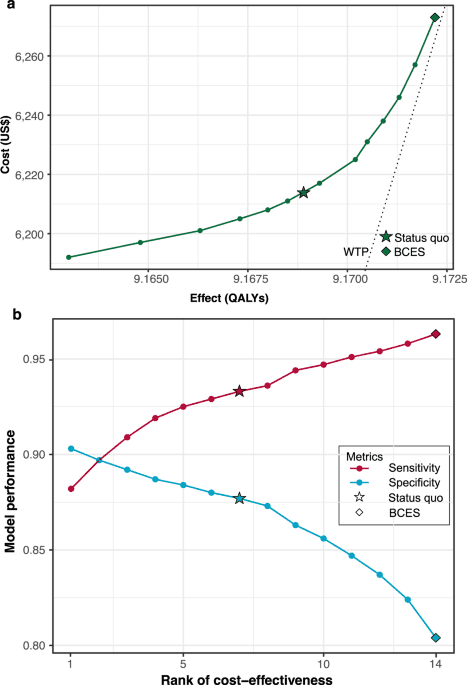
Artificial intelligence (AI) models have shown great accuracy in health screening. However, for real-world implementation, high accuracy may not guarantee cost-effectiveness. Improving AI’s sensitivity finds more high-risk patients but may raise medical costs while…
Continue Reading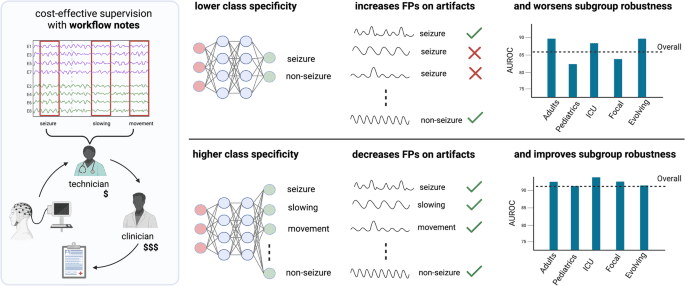
A major barrier to deploying healthcare AI is trustworthiness. One form of trustworthiness is a model’s robustness across subgroups: while models may exhibit expert-level performance on aggregate metrics, they often rely on non-causal features,…
Continue Reading